
You’ve just found the perfect tattoo design. You can already picture it on your forearm. Then the artist sends you the quote, and suddenly you’re wondering if you should just buy a nice watch instead.
We get it. Tattoo prices can feel like a lot, especially when you’re comparing them to how long the session actually takes. But here’s the thing: the average established tattoo artist charges $150 to $250 per hour, and that rate reflects years of training, medical-grade safety compliance, custom artwork, and overhead costs that most clients never see. What looks like a simple transaction is actually the final step in a long, expensive chain of preparation.
This article isn’t a defense of high prices. It’s a window into what actually happens behind the curtain. If you want a quick number before reading on, try our tattoo price calculator for a personalized estimate.
What Does a Tattoo Actually Cost? A Quick Price Overview
Before we get into the “why,” let’s cover the “how much.” Tattoo pricing in the United States typically falls into these ranges:
- Shop minimum: $80 to $150. This is the base price for any tattoo, regardless of size, because the setup costs are the same whether you’re getting a tiny symbol or a larger piece.
- Hourly rates: $80 to $120 for newer artists, $150 to $250 for established mid-career professionals, and $300 to $800+ for high-demand or internationally recognized names.
- Small tattoos (palm-sized or smaller): $100 to $400.
- Half sleeve: $600 to $2,000.
- Full sleeve: $1,500 to $6,000+.
- Full back piece: $2,000 to $10,000+, spread across multiple sessions.
These ranges depend on the artist’s experience, the shop’s location, design complexity, and the style you choose. A fine-line minimalist piece takes less time than a full-color realism portrait, and pricing reflects that.
Tattooing is far from a niche market. According to Pew Research Center (2023), 32% of American adults have at least one tattoo, and 22% have more than one. The US tattoo industry is valued between $1.3 billion and $4.8 billion depending on the source, and it continues to grow. For a deeper breakdown by size and style, check out our full guide to tattoo pricing.
The Training Behind the Price
Apprenticeships Are Long, Expensive, and Often Unpaid
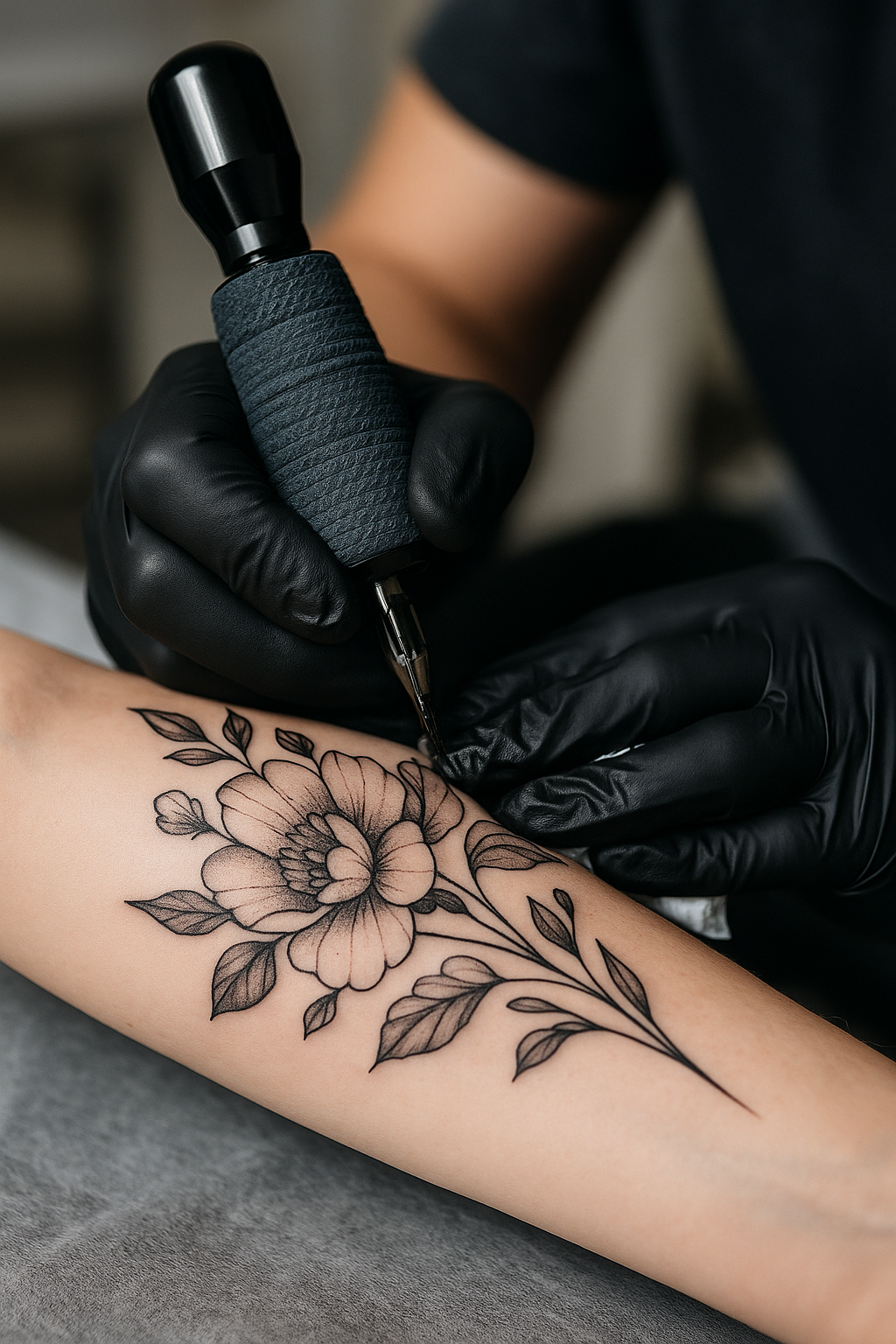
Most tattoo artists don’t just pick up a machine one day and start charging. The standard path into the profession is a formal apprenticeship that lasts 2 to 3 years, with some extending up to 5. During that time, apprentices typically work 50 to 60+ hours per week learning everything from machine mechanics and needle configurations to skin anatomy and color theory.
The upfront cost of an apprenticeship averages around $10,000, and many apprentices work without any pay for the first 1 to 2 years. They clean the shop, set up stations, observe sessions, and practice on synthetic skin or fruit before they ever touch a real client. When they do start tattooing, the shop typically takes 50% to 60% of their earnings.
That is a multi-year investment of time and money with no guaranteed return. When you pay for a tattoo, part of that price reflects thousands of hours of practice, mentorship, and study that happened long before the artist ever touched your skin.
Ongoing Education and Skill Development
The learning doesn’t stop after the apprenticeship. Artists continue refining their craft throughout their careers by attending conventions, doing guest spots at other shops, and studying new styles and techniques. All of this is self-funded.
Then there’s the design work. Most artists spend 2 to 5 hours per day creating custom designs for upcoming appointments. This happens outside of regular shop hours and is rarely billed separately. If you’ve ever wondered how much a tattoo design should cost, the answer is that the time is usually absorbed into the hourly rate, which is one reason that rate is what it is.
What Your Money Pays For: The Real Cost Breakdown
Shop Overhead
Running a tattoo studio is not cheap. Rent alone ranges from $2,500 per month in smaller towns to $10,000 or more in cities like New York, Los Angeles, or Miami. When you add utilities, payroll, insurance, licensing fees, marketing, and booking software, the total monthly fixed overhead for a multi-artist shop averages around $34,600.
Insurance runs $650 to $3,000 per year depending on coverage type and location. State licensing fees vary wildly, from as low as $30 for an individual permit to $927 for a studio license in Texas. After all expenses, profit margins in the tattoo industry sit between 15% and 35%, which is tighter than most people assume.
For a full look at what it takes to open a shop, read our breakdown of how much it costs to open a tattoo shop.
Equipment and Supplies
The initial equipment investment for a professional tattoo setup runs $5,000 to $15,000. That includes machines ($500 to $1,500 each for professional-grade), power supplies, furniture, lighting, and sterilization equipment.
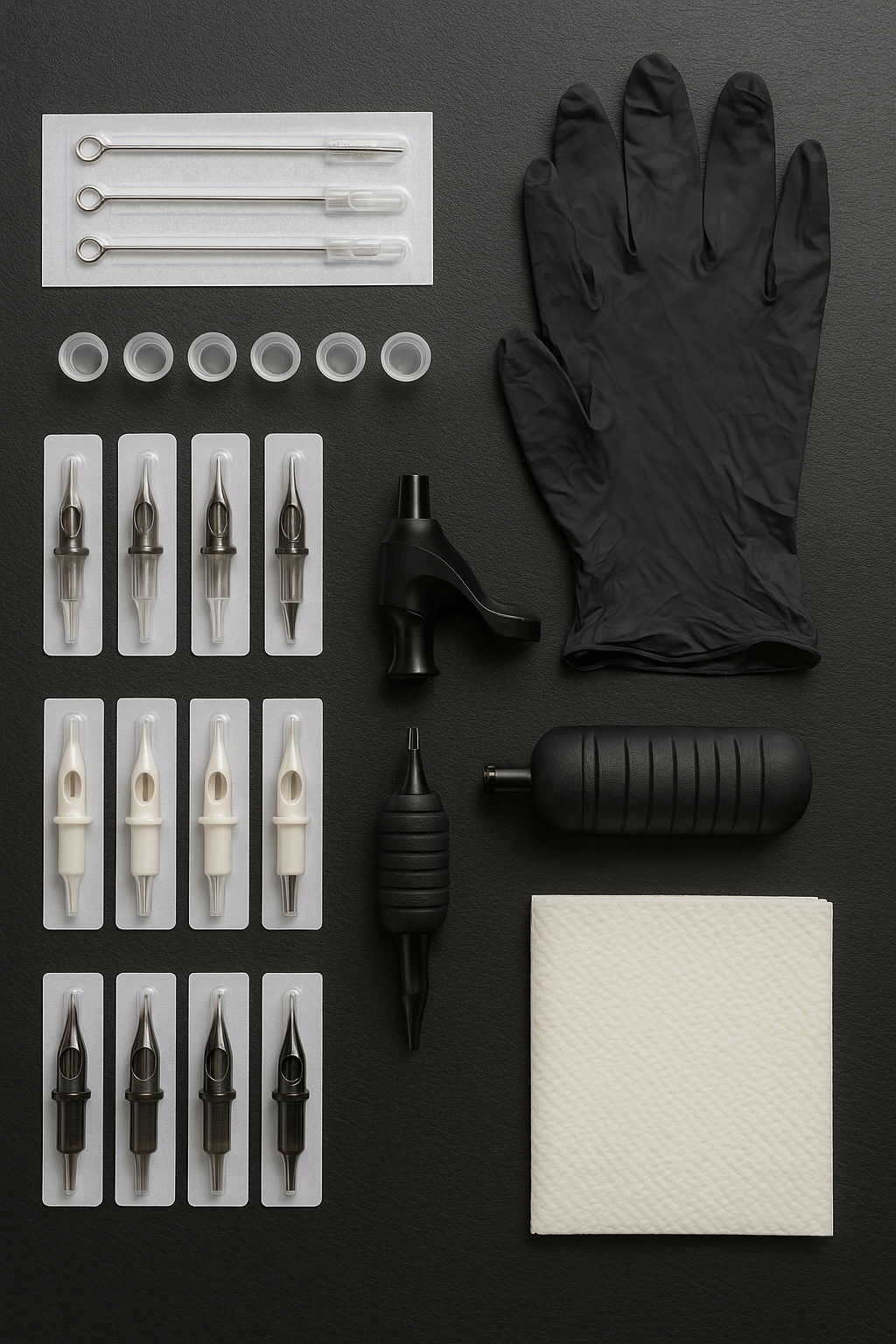
But the bigger ongoing cost is disposable supplies. Every single client session requires fresh, single-use needles, ink caps, nitrile gloves, barrier film, disposable grips, razors, and more. The total per-client cost for disposables alone runs $50 to $100. None of these items can be reused or shared between clients. If you’re curious about what goes into a full setup, our guide to tattoo studio equipment covers every piece.
Autoclave sterilization machines cost $200 to $3,000+ and require regular biological spore testing (weekly or monthly, depending on the state) to verify they’re functioning correctly. The right ink matters too; learn more in our guide to choosing tattoo ink for every style.
Health, Safety, and Legal Compliance
A legitimate tattoo shop operates under health and safety standards closer to a medical clinic than a retail store. This isn’t an exaggeration.
Every tattoo studio in the United States must comply with OSHA’s Bloodborne Pathogens Standard. That means maintaining a written exposure control plan, providing annual training for all staff, offering hepatitis B vaccinations to employees, and following strict protocols for sharps disposal and station decontamination. Fines for violations range from $16,550 per instance for serious infractions to $165,514 for willful or repeat violations.
Single-use needles are mandatory in every state. Medical waste (used needles, blood-contaminated materials) must be disposed of through licensed medical waste services, which cost $50 to $150 per month. Many states also require regular health department inspections, with annual permit fees ranging from $150 to $350.
All of these costs are baked into the price of your tattoo. They’re invisible to you, but they’re the reason you can sit in that chair without worrying about your health.
The Physical Toll on Tattoo Artists
Here’s something most clients never think about: tattooing is physically punishing work.
According to occupational health research published in the European Journal of Public Health, 94% of tattoo artists report back complaints, 85% report neck complaints, and 74% report shoulder issues. Carpal tunnel syndrome, repetitive strain injuries, and chronic eye strain are common occupational hazards.
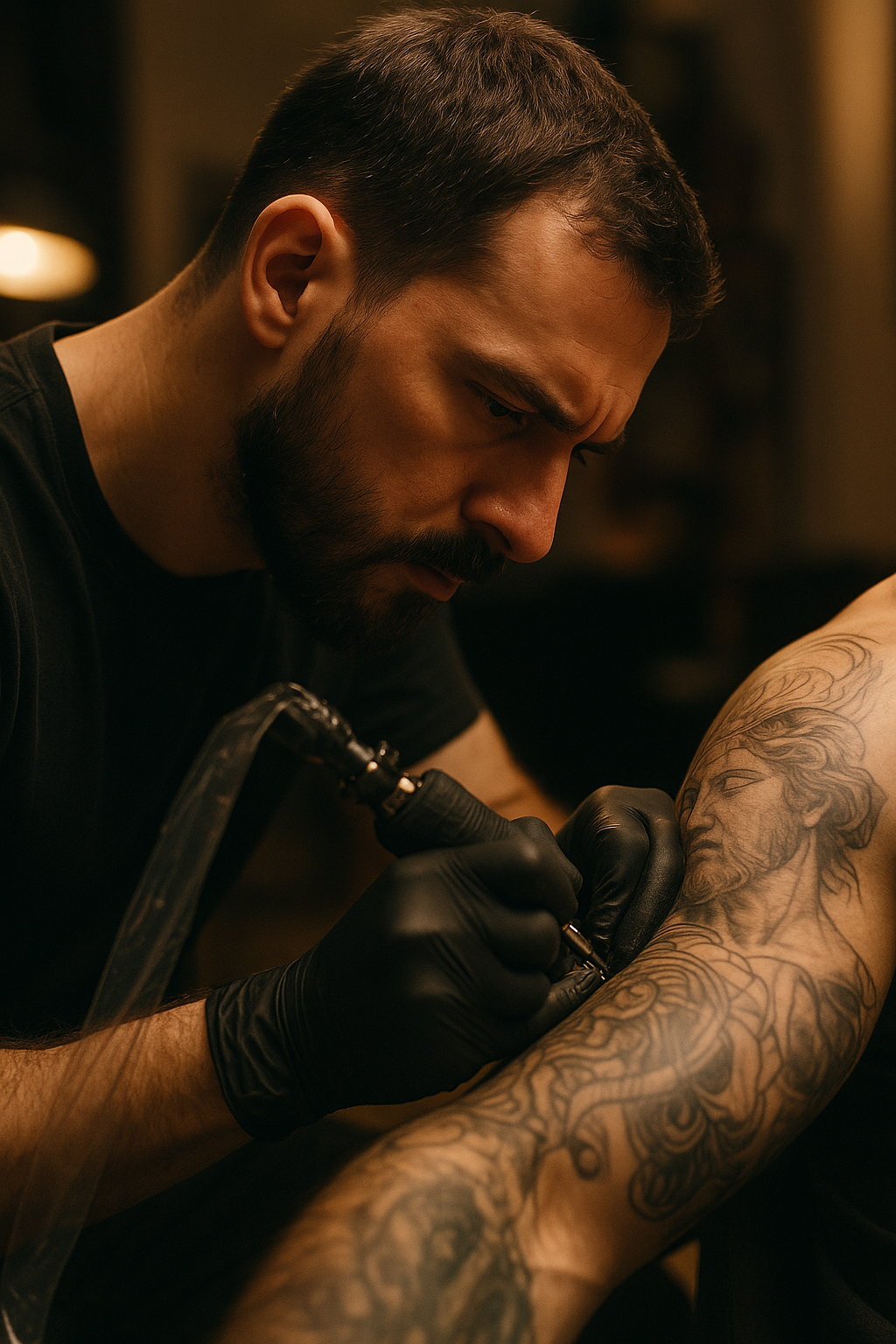
Artists can realistically handle 2 to 3 appointments per day. A typical work week means 40+ hours in the shop, plus another 2 to 5 hours daily of unpaid design work, consultations, and client communication. That adds up to 50 to 65 hours per week.
A career lasting 20 or more years is considered exceptional in the tattoo industry. Many talented artists burn out or develop chronic pain that forces them to reduce their workload well before that. Your artist is performing precise, focused physical work in an awkward posture for hours at a time. That kind of labor has a shelf life, and pricing reflects the reality that an artist’s working years are limited.
How Tattoo Prices Compare to Other Skilled Trades
When people hear “$200 per hour,” it can feel steep. But compare that to what other skilled professionals charge:
- Plumber: $45 to $200 per hour, with emergency rates up to $300.
- Electrician: $50 to $200 per hour, plus a service call fee of $100 to $200.
- Auto mechanic: $120 to $173 per hour in most states, and higher for luxury or EV specialists.
- Hair stylist: $40 to $160 per hour.
- Established tattoo artist: $150 to $250 per hour.
A tattoo artist’s hourly rate is in line with other skilled trades. But there is a critical difference: the result is permanent. A plumber can redo a pipe fitting. A mechanic can swap out a part. A tattoo artist creates a one-of-a-kind piece of custom art on a living canvas, and there is no undo button. That level of precision, combined with the artistic skill required, puts the pricing in perspective.
Why Cheap Tattoos Cost More in the Long Run
It’s tempting to shop around for the lowest price, but bargain tattoos often end up being the most expensive decision you make. Cover-ups cost significantly more than the original tattoo. Laser removal can run $200 to $500 per session across 6 to 12 sessions. And infections from unsanitary conditions can lead to medical bills that dwarf the cost of any tattoo.
Artists who charge well below market rates may be cutting corners on sterilization, using lower-quality ink, or working without proper licensing. Fixing bad work is one of the most common requests professional artists receive, and it is almost always more complex and costly than getting it done right the first time.
There’s a saying in the industry that holds true: good tattoos aren’t cheap, and cheap tattoos aren’t good. If your budget is genuinely tight, there are smarter approaches than choosing the cheapest option. Our guide on what to do when a tattoo feels too expensive covers practical alternatives like choosing simpler designs, opting for flash, or planning a payment approach.
How to Get the Best Value for Your Money
Choose the Right Artist for Your Style
Different tattoo styles have different price points. A simple fine-line piece will take less time (and cost less) than a full-color Japanese sleeve or a photorealistic portrait. The key is finding an artist who specializes in the style you want. Specialists work more efficiently because they’ve done similar pieces hundreds of times, which means better results in fewer hours.
Browse portfolios carefully before committing. Our guide to tattoo styles can help you identify exactly what you’re looking for, and our tips on how to find the best tattoo artist near you will help you narrow your search.
Plan Bigger Pieces Strategically
If you’re considering a sleeve or a large-scale piece, planning the full design upfront can save you money. Many artists offer a package rate for multi-session projects that works out cheaper per hour than booking individual sessions. You also save time on revisions by having the complete vision mapped out from the start.
For a step-by-step approach, check out our guide to planning a sleeve tattoo.
Tipping Your Artist
Tipping is standard practice in the tattoo industry. The typical range is 15% to 25% of the total price, with 20% being the most common benchmark. For tattoos under $100, a $20 minimum tip is customary.
Tips usually go directly to the artist, separate from whatever split the shop takes. Many artists work on commission and keep only 50% to 70% of the tattoo fee, so tips are a meaningful part of their income. Tipping isn’t mandatory, but it is the industry norm and a genuine way to acknowledge the skill and effort your artist put into your piece.

Frequently Asked Questions
Why do tattoo artists charge so much per hour?
Tattoo artists charge $150 to $250 per hour on average because the rate covers years of training, single-use medical-grade supplies, shop overhead, insurance, licensing, and the creation of custom original artwork. Most artists also spend significant unpaid time on design work, consultations, and client communication outside of appointments.
What is included in the price of a tattoo?
The price includes the artist’s time, custom design work, all disposable supplies (needles, ink caps, gloves, barrier film), equipment sterilization, shop overhead (rent, utilities, insurance), and aftercare instructions. You are paying for both the art and the medical-grade safety environment in which it is created.
Is it rude to negotiate tattoo prices?
It is generally considered disrespectful to haggle over tattoo prices because the rate reflects real costs that the artist cannot reduce without cutting corners on quality or safety. If a price feels out of reach, ask about smaller designs, simpler styles, or whether the artist offers flash at a lower rate.
Why is a small tattoo still $100 or more?
Even a small tattoo requires a full sterile setup, fresh single-use supplies, custom design time, and the artist’s focused attention. Shop minimums ($80 to $150) exist because the fixed costs of preparing a station are the same regardless of the tattoo’s size.
How much should you tip a tattoo artist?
The standard tip for a tattoo artist is 15% to 25% of the total price, with 20% being the most common benchmark. Cash is preferred, though many artists also accept digital payments through Venmo, Zelle, or Cash App. Tips go directly to the artist and are separate from the shop’s cut.
Are expensive tattoo artists worth it?
In most cases, yes. Higher-priced artists typically have more experience, stronger portfolios, better equipment, and stricter safety standards. A well-executed tattoo lasts a lifetime, while a poorly done one often leads to costly cover-ups or laser removal that far exceeds what the original would have cost.
Next time you see a quote and feel that initial jolt of sticker shock, remember everything that goes into making that number. You’re not just paying for ink in skin. You’re paying for years of dedication, a safe and sterile environment, and a piece of custom art that will be with you for the rest of your life. When you look at it that way, a good tattoo is one of the best investments you can make in yourself.
Have questions about tattoo pricing, or want to share your own experience? We’d love to hear from you at [email protected].
Thanks for reading!

Other Articles
Birth Flower Tattoos: A Complete Guide by Month

No Comment! Be the first one.