
Disclaimer: This article is for informational purposes only and is not a substitute for professional medical advice, diagnosis, or treatment. If you suspect your tattoo is infected, consult a licensed healthcare provider.
Is My Tattoo Infected, or Is It Just Healing?
Your tattoo is likely infected if you notice spreading redness beyond the tattoo borders after day 3, yellow or green pus, worsening pain, fever above 101°F (38.3°C), red streaking from the tattoo, or swollen lymph nodes. Normal healing includes mild redness, tenderness, and clear fluid that gradually improve over the first week.
If you just got a tattoo and something looks off, you are not alone. This is one of the most common concerns people have during the first few weeks with new ink. The good news: most of what you are seeing is part of the normal healing process. Research estimates that only 0.5% to 6% of tattooed individuals develop an actual infection.
The single most reliable way to tell the difference is direction of change. Normal healing improves a little more each day. An infection gets worse. If your tattoo looked better yesterday than it does today, and that pattern continues past day 3, it is time to pay closer attention.
That said, tattoo infections are real and they do require medical treatment. Catching one early makes a significant difference in outcome, so understanding the signs is worth your time. This guide will walk you through everything: what normal healing looks like, what infection looks like, when to call a doctor, and when to head to the ER.
Following proper aftercare from day one is the best way to avoid problems entirely. But if you are already past that point and something feels wrong, keep reading.
Normal Tattoo Healing vs Infection: A Side-by-Side Comparison
What Normal Tattoo Healing Looks Like
During the first 1 to 3 days, your tattoo will be red, tender, and slightly swollen. You may notice clear plasma or thin ink runoff oozing from the skin. This is your body’s natural wound response and it is completely expected.
From days 4 through 14, itching and peeling become the main events. The tattooed skin will flake, and colors may look dull underneath a thin layer of healing skin. Resist the urge to scratch or pick. This phase can be annoying, but it is a sign that healing is on track.
By weeks 2 through 4, peeling finishes and the skin feels tight or slightly dry. The tattoo settles into its final appearance. If you have been following your aftercare routine, you are nearly through the healing window.
What a Tattoo Infection Looks Like
An infected tattoo breaks the pattern of steady improvement. Redness spreads beyond the edges of the tattoo after day 3 instead of shrinking. Discharge turns thick, yellow, green, or cloudy rather than the thin clear plasma of early healing. Pain intensifies instead of fading. In more serious cases, you may develop a fever, notice red streaks radiating outward from the tattoo, or feel swollen lymph nodes near the site.
| Symptom | Normal Healing | Possible Infection |
|---|---|---|
| Redness | Mild, confined to tattoo, fades by day 3 to 5 | Spreads beyond tattoo edges, worsens after day 3 |
| Fluid / Discharge | Clear plasma or thin ink runoff, days 1 to 2 only | Yellow, green, or cloudy pus; persists or appears after day 3 |
| Pain | Tenderness that decreases daily | Pain that increases or throbs after day 3 |
| Swelling | Mild, localized, subsides within 48 hours | Increasing swelling, warm to touch, spreading |
| Itching | Common during peeling phase (days 4 to 14) | Intense itching with bumps, rash, or hives |
| Fever | None | Above 101°F (38.3°C) |
| Red Streaks | None | Red lines radiating outward from the tattoo |
| Lymph Nodes | Normal | Swollen or tender near the tattoo site |
Tattoo Infection Signs by Severity Level
Not all infections are equal. The following severity system will help you decide what action to take based on what you are experiencing. When in doubt, always err on the side of seeing a professional sooner rather than later.
Mild: Monitor at Home for 24 Hours
Slight redness extending just past the tattoo edges. Minor swelling that has not changed in the last 24 hours. Mild warmth at the site but no other symptoms.
Keep the area clean with mild, fragrance-free soap and lukewarm water. Continue your aftercare routine and watch closely. If symptoms hold steady or improve within 24 hours, you may still be within normal healing territory. If they worsen at all, move to the next level.
Moderate: See a Doctor Within 24 to 48 Hours
Redness is spreading noticeably beyond the tattoo. You see yellow, green, or cloudy discharge. Pain is getting worse, not better. You may have a low-grade fever between 99°F and 101°F (37.2°C to 38.3°C) or notice swollen lymph nodes near the tattoo.
Schedule an appointment with your primary care physician or visit an urgent care clinic. Do not attempt to squeeze or drain any pus yourself. A doctor can assess the infection and prescribe appropriate treatment, usually oral antibiotics.

Severe: See a Doctor the Same Day
Significant spreading redness with noticeable warmth. Heavy or persistent pus discharge. Fever above 101°F (38.3°C). Red streaking from the tattoo toward nearby lymph nodes.
See a doctor immediately. This level of infection typically requires oral antibiotics and close monitoring to prevent it from progressing further. Do not wait to see if it improves on its own.
Emergency: Go to the ER
Rapidly spreading redness or swelling that is visibly growing within hours. High fever with chills, sweating, or confusion. Difficulty breathing. Signs of sepsis: rapid heart rate, dizziness, extreme fatigue, or disorientation.
Go to the emergency room. Do not wait for a scheduled appointment. These symptoms suggest the infection may be entering the bloodstream, which is a medical emergency that requires immediate intervention.
Tattoo Infection vs Allergic Reaction: How to Tell the Difference
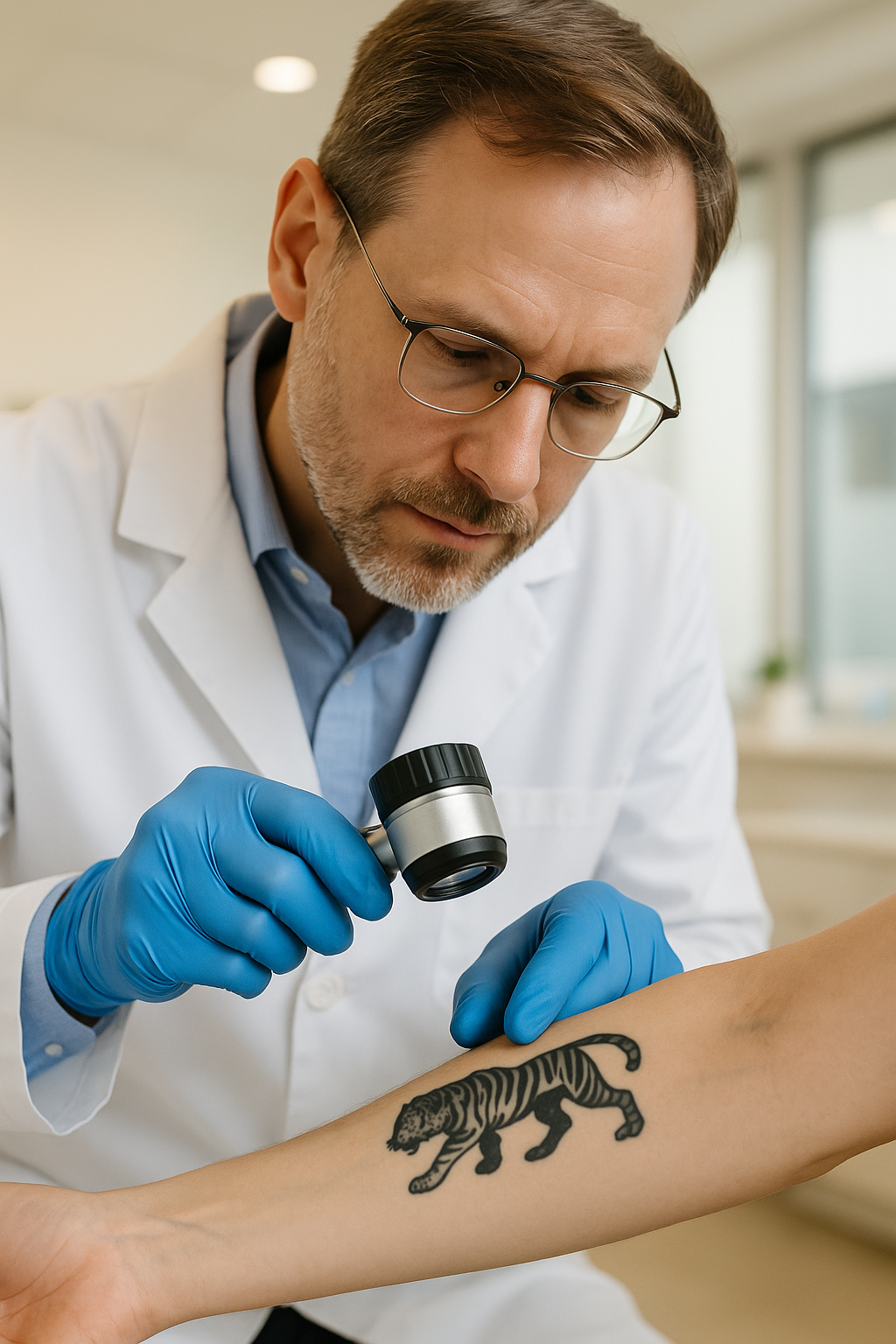
Infections and allergic reactions can look similar at first glance, but they behave very differently. The simplest way to think about it: an allergic reaction stays inside the lines, while an infection crosses them.
An allergic reaction typically appears as localized bumps, itching, or a raised rash confined within the boundaries of the tattoo. It is usually triggered by a specific ink color, with red and yellow pigments being the most common culprits. There is no fever, no pus, and no spreading redness. Allergic reactions can also appear weeks, months, or even years after the tattoo session, according to the American Academy of Dermatology.
An infection, by contrast, produces spreading redness that extends beyond the tattoo borders. It comes with pus, increasing pain, and often systemic symptoms like fever and swollen lymph nodes. Infections usually appear within the first 4 to 22 days after the session.
If you are unsure which you are dealing with, see a doctor. Both conditions benefit from professional evaluation, and a healthcare provider can distinguish between them quickly.
What Causes Tattoo Infections?
Common Bacteria and Pathogens
Staphylococcus aureus accounts for approximately 81% of documented bacterial tattoo infections. This includes both standard staph and its more dangerous variant, MRSA (methicillin-resistant Staphylococcus aureus), which resists many common antibiotics and can require specialized treatment.
Streptococcus infections are less common but can cause rapidly spreading cellulitis. Nontuberculous mycobacteria (NTM) represent a different kind of threat: these slow-growing organisms are linked to contaminated tattoo ink rather than unsterile equipment. In a well-documented 2011 to 2012 outbreak reported by the CDC, 22 people across four states developed NTM infections traced to a single batch of contaminated gray ink. The findings were later published in the New England Journal of Medicine.
Viral infections like hepatitis B and C are associated with unregulated tattoo environments where needles may be reused. These are extremely rare in licensed professional shops. Fungal infections are also possible but uncommon, primarily affecting immunocompromised individuals.
Risk Factors That Increase Your Chances
Getting tattooed at an unlicensed or unregulated shop significantly raises your risk. Poor aftercare practices, including touching the tattoo with dirty hands or submerging it in pools, hot tubs, lakes, or oceans too soon, create opportunities for bacteria to enter the healing wound.
One factor many people do not realize: the FDA does not regulate tattoo ink. Even sealed, commercially produced ink containers can harbor bacteria. This is why choosing a reputable artist who sources ink from established brands matters. You can learn more about how modern ink has improved safety standards and why proper sterilization equipment like autoclaves is non-negotiable for any professional shop.
Pre-existing skin conditions, a weakened immune system, and certain medications that suppress immune function also increase vulnerability to infection after tattooing.
How Long After a Tattoo Can It Get Infected?
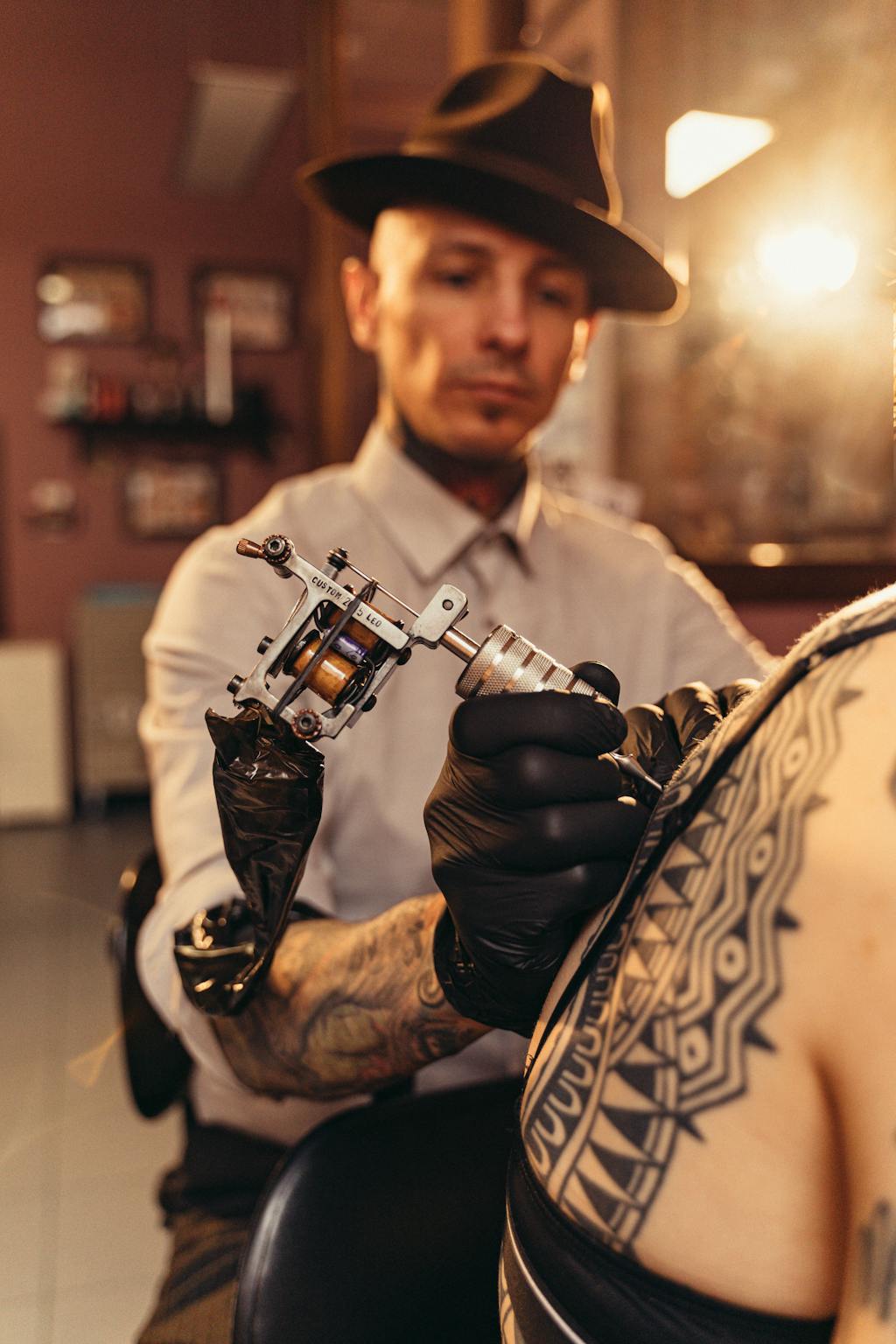
Most bacterial tattoo infections develop within 4 to 22 days after the session. The highest-risk window is the first 2 to 3 weeks, while the skin barrier is still compromised and actively healing.
Tattoo Infection Timeline
During days 1 through 3, it is too early to distinguish an infection from normal post-tattoo inflammation in most cases. The skin is naturally red, swollen, and tender.
Days 4 through 14 are the critical window. This is when most infection symptoms emerge. If new redness, pus, or worsening pain develops during this period, take it seriously.
At weeks 2 through 4, late-onset bacterial infection is still possible, especially if aftercare was inconsistent or the tattoo was exposed to contaminated water. If you are searching for answers about a “tattoo infection after 2 weeks,” the answer is yes, infections can absolutely develop at this stage. Any new symptoms appearing this late, rather than fading, warrant a doctor visit.
Beyond week 4, standard bacterial infection becomes uncommon unless the skin was re-injured. However, NTM infections from contaminated ink can take weeks to months to appear because mycobacteria grow slowly. Allergic reactions (not infections) can surface even later, sometimes years after the tattoo.
How to Treat an Infected Tattoo
What Your Doctor Will Likely Prescribe
For mild to moderate bacterial infections, doctors typically prescribe oral antibiotics such as cephalexin or clindamycin for a 7 to 10 day course. If MRSA is suspected based on the severity or the local prevalence of resistant bacteria, your doctor may prescribe vancomycin, trimethoprim-sulfamethoxazole, or doxycycline instead.
NTM infections require a longer treatment approach, often several months of specialized antibiotics like clarithromycin. Severe infections with signs of systemic spread may require hospitalization and intravenous antibiotics, according to the Mayo Clinic.
If a doctor identifies an abscess (a pocket of pus under the skin), they may need to drain it in addition to prescribing antibiotics. Do not attempt to drain anything yourself.
What You Can Do Before Your Appointment
While waiting to see a doctor, keep the area clean by gently washing it with mild, fragrance-free soap and lukewarm water 2 to 3 times daily. Pat dry with a clean paper towel.
Do not apply over-the-counter antibiotic ointments like Neosporin without guidance from a doctor. These products can trigger allergic contact dermatitis on tattoos, which complicates the picture. Do not pick at, scratch, or squeeze the affected area. If pus is draining on its own, cover the tattoo loosely with a clean, non-stick bandage.
Stay hydrated, rest, and avoid submerging the tattoo in any water. For ongoing care once treatment begins, our guide to the best aftercare lotions can help you choose gentle products that support healing.

How to Prevent a Tattoo Infection
Before Your Session
Choose a licensed, reputable tattoo shop. Look for an autoclave for sterilizing equipment, single-use needles opened in front of you, and a clean workspace. Ask your artist about their ink sourcing; reputable professionals use inks from established, transparent brands.
Do not shave the tattoo area yourself the morning of your appointment. Let the artist handle it with sterile, single-use razors. If you are new to the process, our step-by-step guide to getting a tattoo walks through everything to expect. You can also browse verified artists on TattoosWizard to find a trusted professional near you.
During Healing
Follow your artist’s aftercare instructions closely. The essentials: wash the tattoo 2 to 3 times daily with mild soap, pat dry with a clean paper towel, and apply a thin layer of recommended aftercare product.
Avoid submerging the tattoo in pools, hot tubs, lakes, rivers, or the ocean for at least 2 to 4 weeks. Even heavily chlorinated pool water does not kill all bacteria, and freshwater sources carry the highest risk. Keep your hands clean before touching the tattoo, wear loose and breathable clothing over the area, and do not pick at scabs or peeling skin.
Frequently Asked Questions About Tattoo Infections
What does an infected tattoo look like?
An infected tattoo shows spreading redness beyond the tattoo borders, yellow or green pus, increasing swelling, and warmth to the touch. The area may develop red streaks radiating outward. See the comparison table above for a full side-by-side breakdown of infection symptoms versus normal healing signs.
Can a tattoo get infected after 2 weeks?
Yes. While most bacterial infections appear within the first 4 to 14 days, infections can develop at the 2-week mark, especially if aftercare was inconsistent or the tattoo was exposed to contaminated water. Nontuberculous mycobacterial (NTM) infections can take even longer to appear, sometimes weeks to months after the session.
How do I know if my tattoo is healing normally?
Normal healing follows a predictable pattern: redness and tenderness for the first 2 to 3 days, followed by itching and peeling from days 4 through 14. The key indicator is consistent improvement. If each day looks and feels a little better than the last, your tattoo is healing normally.
Can I treat a tattoo infection at home?
Mild symptoms can be monitored at home for 24 hours while keeping the area clean. However, if you see pus, spreading redness, fever, or worsening pain, you need medical treatment. Tattoo infections typically require prescription antibiotics that are not available over the counter.
What kind of doctor should I see for an infected tattoo?
Start with your primary care physician or visit an urgent care clinic. They can prescribe antibiotics for most infections. If the infection does not improve within 48 to 72 hours of treatment, you may be referred to a dermatologist or infectious disease specialist.
Will an infection ruin my tattoo?
It depends on the severity. Mild infections treated promptly usually do not cause permanent damage to the tattoo design. Severe infections, especially those involving deep tissue or significant scarring, can distort the ink and require touch-up work once fully healed. Early treatment is key to preserving both your health and your tattoo.
Is it normal for a new tattoo to ooze?
Clear plasma mixed with small amounts of ink oozing during the first 24 to 48 hours is completely normal. This is your body’s natural wound-healing response. Yellow, green, or foul-smelling discharge at any point is not normal and may indicate infection.

When in Doubt, See a Doctor
If you have read this far and you are still unsure whether your tattoo is infected, the safest move is always to see a professional. A quick doctor visit for a false alarm is always worth the peace of mind. An untreated infection can cost you weeks of healing, permanent scarring, or worse.
Your tattoo artist is a great resource for general aftercare questions, but if you suspect infection, a doctor is the right call. They can assess the area, run tests if needed, and get you on the right treatment fast.
Looking for your next tattoo from a trusted, professional artist? Browse verified artists on TattoosWizard or design something original with our AI tattoo generator.
Have questions or want to share your healing experience? Drop us a line at [email protected].
Thanks for reading!

Other Articles


No Comment! Be the first one.